









Why Oscar-Nominated Director Abandoned Another Movie to Make ‘The Voice of Hind Rajab’

Tunisian director Kaouther Ben Hania’s films have been nominated for two Oscars, one for the international feature “The Man Who Sold His Skin” and one for the documentary “Four Daughters.” Both are provocative movies, but they’re nowhere near as incendiary and unsettling as “The Voice of Hind Rajab.”
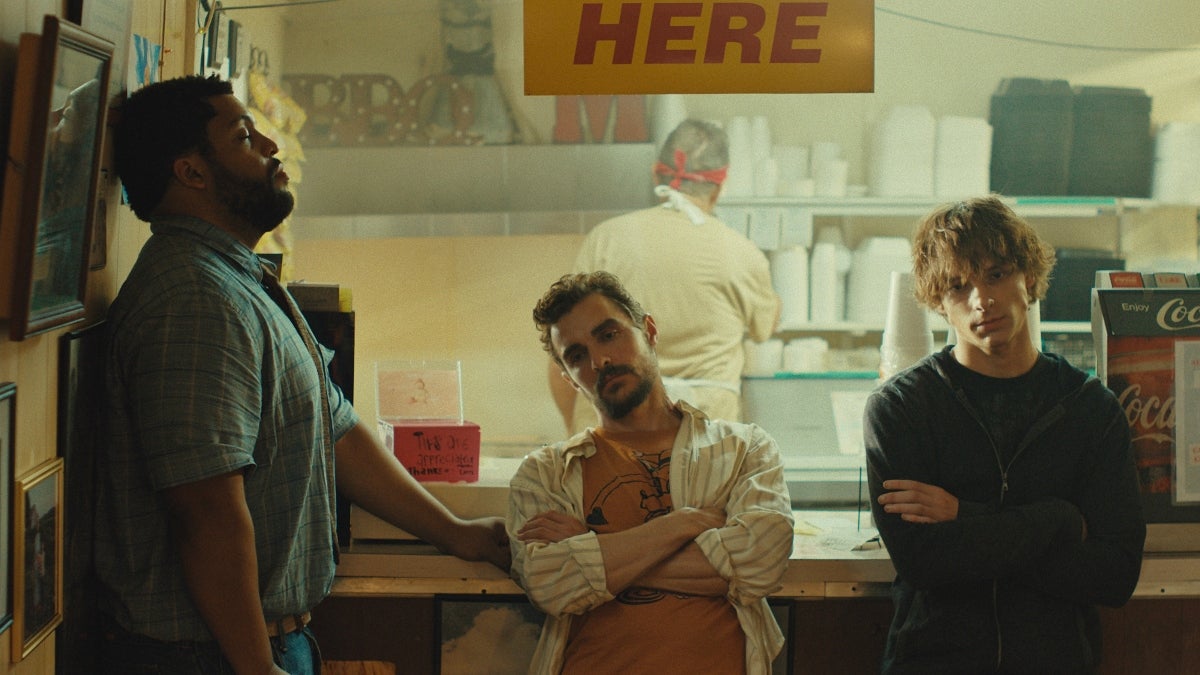
This wrenching film is a reenactment of a 6-year-old girl’s phone call to Red Crescent emergency phone operators in Gaza from a car where she was trapped with the dead bodies of her family members.
“I know it’s not comfortable watching,” she said of the film. “But it’s not done to be comfortable watching.”
I understand you were working on a different film when you first heard the recording of the phone call that Hind Rajab made to Red Crescent.
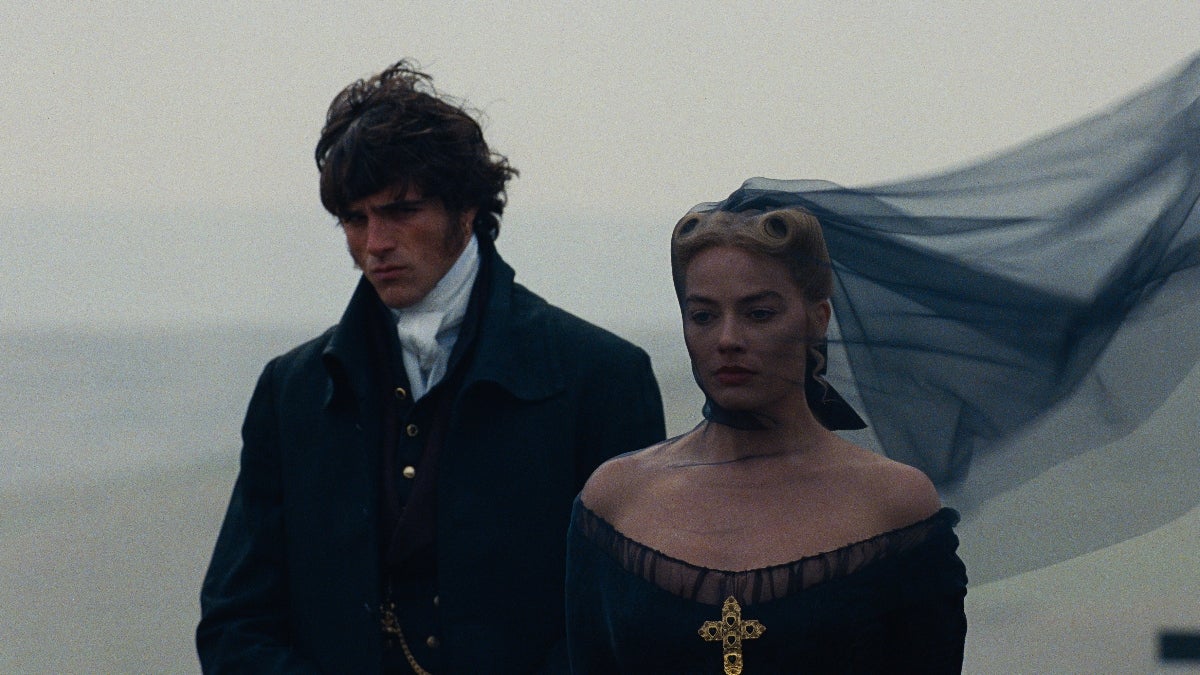
Yes, exactly. I had a period project, a heavy one, and I was about to start preproduction when I heard the voice of Rajab. I had to ask myself questions about what does it mean to be a filmmaker and what kind of story you should tell in a time like this. So I decided to stop the other movie and do this one.
Hearing the recording can be deeply affecting. But it must be tricky to decide how to turn that into a film.
Yes. I felt the need to do something because of the feeling of helplessness when I heard her voice. She was asking the Red Crescent dispatcher to help her, but I felt she was asking me to help her. That’s why I chose to tell the story from the perspective of the Red Crescent employees. And the main question was how to honor the memory of this little girl. Am I up to the task? Will I give her justice? When you start any movie, you start doubting yourself, but especially with this movie.
Did you consider depicting her on screen rather than using the original recording?
You think about all the options. And little by little, you start choosing. There was the idea, should I make a documentary, or should I bring actors on the table? This was a huge decision to, to make. And for me, her voice is immediate. It’s in the moment. And it was very important for us to be in the moment. A documentary, it’s like, “Let’s talk about what happened in the past.” And when I was doing the movie, people were being killed every day. I needed to bring the immediacy of this moment when she was pleading for her life and nobody can help.
Which you chose to do by only letting the audience hear her voice.
The recording was so visual. It’s sound, but it tells us what is happening in Gaza around her. So I felt that making a visual representation wasn’t the best cinematic choice. For me, the dispatchers represent all of us, in a way. They are the front line of trying to help, but they can’t. And that echoes our position of hearing people around the world saying, “Save me, save me, I’m dying.”
I understand that you started work on the film only after getting the permission of the Red Crescent workers and of Hind Rajab’s family.
Yes, exactly. It was the first thing I did before starting. When I received the recording of all the the call, I was sure that I want to do a movie, but I was thinking about the family. They were mourning, especially the mother, who was at the time still in Gaza, and I thought if she doesn’t want a movie, I’ll not do it. So I called her and we had a long conversation. She’s a very courageous woman, and she not only gave her her blessing to the movie, but she’s part of the movie. You see her at the end. And then I spoke with the real employee of the Red Crescent to gather elements about what happened that day.
During production, how hard was it to return to that place and that voice day after day?
It was hard. I know how to direct actors, how to be efficient, you know? Shooting something that is very stressful, you have to solve problems. But for this movie, it was different. It wasn’t about directing actors. They had to answer to her real voice, so they brought authenticity without me asking them anything. There were moments when the actors couldn’t speak. And when you make a movie and do the editing, you see the movie several times for technical checks, for color grading… You get to the point where the movie doesn’t affect you anymore. This movie’s different. It’s still affecting me, like I’m seeing it for the first time. I just hope that her voice will echo.
Several of this year’s international Oscar entries deal with the conflict in Gaza. Do you think it’s important for filmmakers to get involved in that conversation?
I mean, what is cinema? It’s the perfect place for empathy. I think it’s important to tell stories from the inside and to bring to the table another perspective. I was about to make another movie, a period movie about the beauty of Islamic art. And I was asking myself, what does it mean to be a filmmaker in a time like this? Should I talk about the beauty when you are questioning your humanity?
So I think, yeah, it’s important that that the movie should be done. It’s important to hear the voices.
A version of this story first appeared in the Below-the-Line/Documentaries/International issue of TheWrap’s awards magazine. Read more of the issue here.

The post Why Oscar-Nominated Director Abandoned Another Movie to Make ‘The Voice of Hind Rajab’ appeared first on TheWrap.
What's Your Reaction?
 Like
0
Like
0
 Dislike
0
Dislike
0
 Love
0
Love
0
 Funny
0
Funny
0
 Angry
0
Angry
0
 Sad
0
Sad
0
 Wow
0
Wow
0