











Ted Sarandos Says Netflix Will Still Support WB Movie Theater Output — Though the Windows Will Evolve
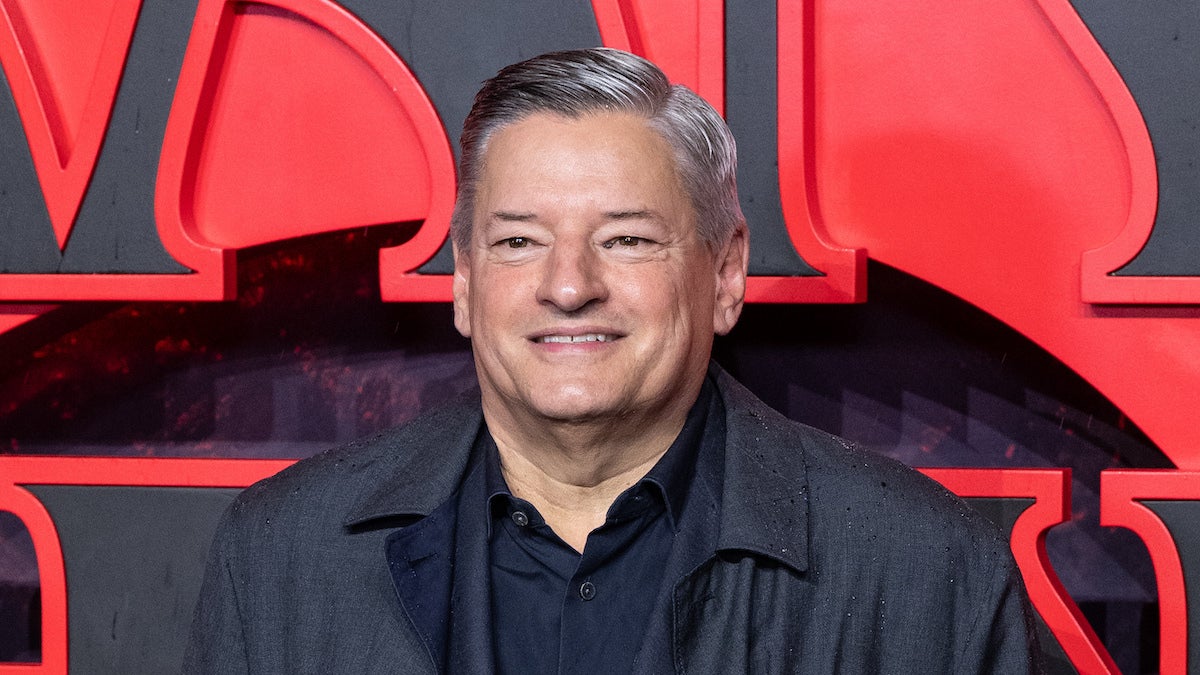
Netflix co-CEO Ted Sarandos insisted his streamer will still support Warner Bros.’ movie theater output once the deal to buy WBD for $82.7 billion goes through.
“It’s not like we have this opposition to movies into theaters. My pushback has been mostly in the fact of the long exclusive windows, which we don’t really think are that consumer-friendly” Sarandos said on a Friday morning investors call. “But when we talk about keeping HBO operating, largely as it is, that also includes their output movie deal with Warner Bros., which includes a life cycle that starts in the movie theater, which we’re going to continue to support.”
But Sarandos did say he expects theatrical windows to “evolve,” as Netflix has repeatedly butted heads with exhibitors over its refusal to play movies in theaters for longer than 17 days before they hit the streamer.
“I wouldn’t look at this as a change in approach for Netflix movies or for Warner movies. I think, over time, the windows will evolve to be much more consumer friendly, to be able to meet the audience where they are quicker,” he continued. “I’d say, right now, you should count on everything that is planned on going to the theater through Warner Bros. will continue to go to the theaters through Warner Bros. and Netflix movies will take the same strides they have, which is, some of them do have a short run in the theater beforehand, but our primary goal is to bring first-run movies to our members, because that’s what they’re looking for.”

Sarandos’ update came the morning after Warner Bros. Discovery and Netflix agreed to move forward with their exclusive deal talks at $27.75 a share for the studio and streaming assets. Both boards approved the agreement, which includes a $5 billion break-up fee to match the terms that Paramount added with its bid, and they expect regulatory approval to go through in 12 to 18 months.
Fellow Netflix co-CEO Greg Peters further told Wall Street analysts and press on the Friday morning call that their company remains excited about their place in Hollywood now that they’re buying a legacy studio. He also noted that they will not be replicating the mistakes of the AOL Time Warner merger.
“A lot of those failures that we’ve seen historically is because the company that was doing the acquisition didn’t understand the entertainment business. They didn’t really understand what they were buying,” he said. “We understand these assets that we’re buying. The things that are critical in Warner Bros. are key businesses that we operate in and we understand. A lot of times, the acquiring company, it was a legacy non-growth business that was looking for sort of a lifeline. That doesn’t apply to us. We’ve got a healthy, growing business that we’re super, super excited about.”
Sarandos’ comments about movie theater release windows also come after some theater owners condemned the deal as an “unprecedented threat” to their business, while the Directors Guild of America voiced similar concerns.
“The negative impact of this acquisition will impact theatres from the biggest circuits to one-screen independents in small towns in the United States and around the world,” Cinema United President/CEO Michael O’Leary said in a late Thursday statement. “Cinema United stands ready to support industry changes that lead to increased movie production and give consumers more opportunities to enjoy a day at the local theatre. But Netflix’s stated business model does not support theatrical exhibition. In fact, it is the opposite.”
“Netflix’s success is television, not movies on the big screen. A true commitment to exhibition means a robust slate of movies with a meaningful period of theatrical exclusivity supported by marketing. Sporadic and truncated theatrical releases to meet awards criteria in a handful of theatres is not a commitment to exhibition,” he added. “Movie theatres are cultural and economic anchors of communities of all sizes — we are a Main Street industry. Research shows that for each dollar spent in a local movie theatre, an additional $1.50 is spent in surrounding businesses in the community — restaurants, bars, shopping centers, transportation. That is what is at risk here if we sanction fewer movies in the marketplace. Theatres will close, communities will suffer, jobs will be lost.”
Meanwhile, the DGA stated: “We believe that a vibrant, competitive industry — one that fosters creativity and encourages genuine competition for talent — is essential to safeguarding the careers and creative rights of directors and their teams. We will be meeting with Netflix to outline our concerns and better understand their vision for the future of the company. While we undertake this due diligence we will not be commenting further.”
The post Ted Sarandos Says Netflix Will Still Support WB Movie Theater Output — Though the Windows Will Evolve appeared first on TheWrap.
What's Your Reaction?
 Like
0
Like
0
 Dislike
0
Dislike
0
 Love
0
Love
0
 Funny
0
Funny
0
 Angry
0
Angry
0
 Sad
0
Sad
0
 Wow
0
Wow
0